Why the Age You Start Matters More Than You Think
Most parents in Oak Lawn and Chicago Ridge wait until their kid makes a team before they think about training. By then, they’ve already missed one of the most powerful windows in youth athletic development. The best age to start athletic training for kids isn’t middle school — it’s earlier than that, and the science backs it up.
The National Strength and Conditioning Association (NSCA) confirms that children ages 6–12 are in a critical window for developing fundamental movement skills, coordination, and agility — the exact foundation that determines how far an athlete can go long-term.
That doesn’t mean 7-year-olds are lifting heavy barbells. It means this is the time to build body awareness, explosive movement, and athletic habits that stick. Miss this window, and you’re playing catch-up for years.
Breaking Down the Key Development Stages by Age
Not all ages train the same way. What works for a 6-year-old is completely different from what a 14-year-old needs. Here’s how the research breaks it down — and what it means for your child right now.
The Long-Term Athletic Development model from Canadian Sport for Life identifies ages 9–12 for girls and 10–13 for boys as the “Learn to Train” stage — the single best window for developing sport-specific speed, agility, and skills before the adolescent growth spurt changes everything.
Before that window? Kids ages 4–8 are in the “FUNdamentals” stage, where movement variety, coordination games, and basic body control are the real work. After it? The focus shifts to refining what was built. The middle window is where the biggest gains happen fastest.
| Age Range | Development Stage | Primary Training Focus | Best Activities |
|---|---|---|---|
| Ages 4–7 | FUNdamentals | Balance, coordination, basic movement | Movement games, running, jumping, throwing |
| Ages 8–11 (boys) / 8–10 (girls) | Learn to Train | Speed, agility, sport skills | Multi-sport, agility ladders, sprint drills |
| Ages 12–15 | Train to Train | Strength, endurance, sport-specific skill | Resistance training, position drills, conditioning |
| Ages 16–18 | Train to Compete | Peak performance, mental toughness | Sport-specific training, game-speed reps |
Every stage builds on the one before it. Skip the early work and your athlete hits a ceiling — not because they lack talent, but because the foundation was never laid.
The Danger of Waiting — and Specializing Too Early
Here’s where a lot of well-meaning parents actually hurt their kid’s development: they either wait too long to train, or they push early single-sport specialization. Both are mistakes the research is very clear about.
According to the Aspen Institute Project Play, children who specialize in a single sport before age 12 face a significantly higher risk of burnout and overuse injuries — while kids who play multiple sports early develop broader athleticism that actually makes them better at their chosen sport later.
Think about it this way: a kid who plays basketball, runs track, and trains for football before age 12 builds a movement vocabulary that a single-sport kid never gets. That’s why our youth athletic training program in Oak Lawn and Chicago Ridge introduces kids to multiple movement patterns and sport skills — not just one lane.
The goal at the early stages isn’t to manufacture a specialist. It’s to build a complete, confident, adaptable athlete.
What “Starting Early” Actually Looks Like — It’s Not What You Picture
When parents hear “start training young,” some picture a tough coach drilling a 7-year-old until they collapse. That’s the opposite of what proper youth development looks like — and it’s the opposite of what we do.
The NSCA confirms that supervised speed and resistance training is safe and effective for children as young as 7–8, producing real improvements in strength, speed, and motor performance — when it’s done right. “Done right” means age-appropriate loads, movement-based drills, proper coaching, and making it fun enough that kids actually want to come back.
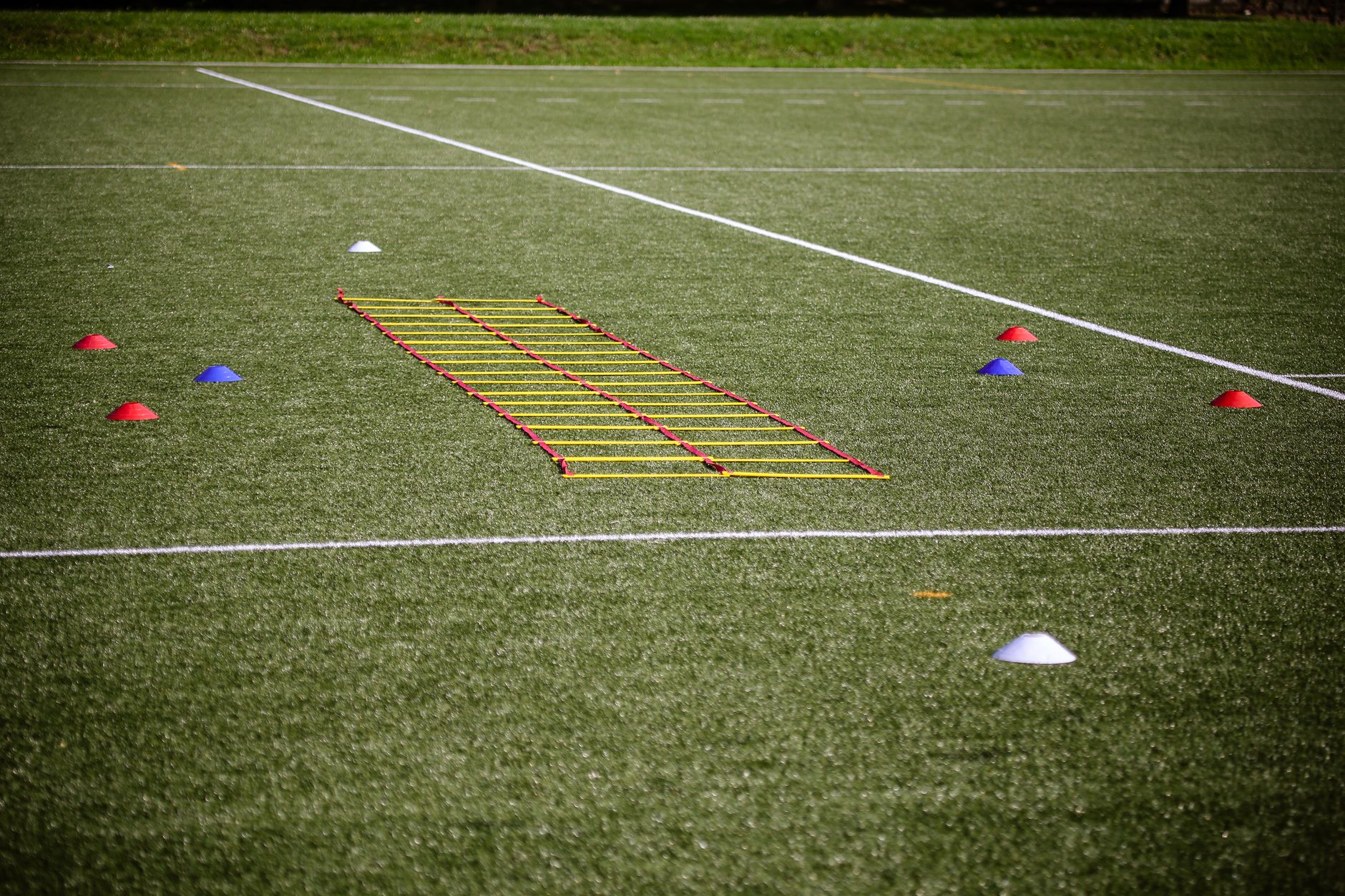
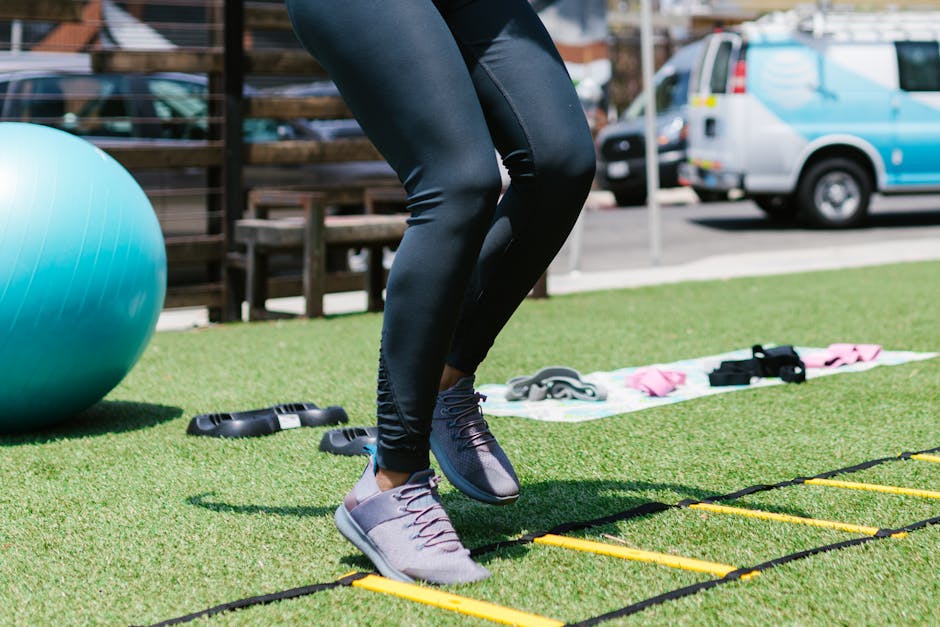
At Grit + Grace, a session for a 6-year-old might look like running relay races, balancing drills, and learning how to throw and catch with both hands. A session for a 10-year-old might include speed ladder work, first-step quickness drills, and basketball footwork. A 15-year-old gets strength training, conditioning circuits, and sport-specific reps at game speed.
Personalized, progressive, and purposeful — that’s what early training actually means. Learn more about how we structure it in our guide to speed and agility training for young athletes.
The 60-Minute Rule — and Why Most Kids Aren’t Hitting It
Here’s a number every south-side Chicago parent should know: 60. That’s the minimum number of minutes of moderate-to-vigorous physical activity children need every single day, according to both the American Academy of Pediatrics and the Centers for Disease Control and Prevention (CDC).
The CDC also recommends that muscle-strengthening and bone-strengthening activities happen at least three days per week. Screen time, sedentary school days, and limited safe outdoor space in urban neighborhoods make this incredibly hard to hit without intentional structure.
Structured athletic training — even two or three sessions a week — closes that gap and does something passive play can’t: it builds skill, not just activity. There’s a difference between a kid who runs around at recess and a kid who trains with a coach who tracks their progress and pushes them to get better.
Character Is Built in the Training, Not Just the Game
Here’s what separates a good athletic program from a great one: it doesn’t stop at physical development. The kids who become real leaders — on the field and off it — are the ones whose training taught them discipline, resilience, and how to handle failure before they ever got to the big stage.
That’s the “Grace” in Grit + Grace. We believe Proverbs 27:17 — iron sharpens iron — isn’t just a motto. It’s a training philosophy. When athletes push each other, encourage each other, and hold each other accountable in the gym and at the park, they’re building something that goes way beyond a faster 40-yard dash.
Coach Eddie has lived this. Losing over 100 pounds, rebuilding through faith and consistent training, earning his NAYS certification — that’s not just a backstory. It’s proof that athletic development and personal transformation happen together, at any age. Read more about the connection between faith, character, and sports training — and why it makes better athletes and better people.
Whether your child is 5 or 15, whether they’re trying to make the school team or just trying to get healthier and build confidence — there is a right time to start, and that time is now.
The best age to start athletic training for kids is always the one where they get a coach who sees them, challenges them, and shows up for them every session. Book a free session — fill out the quick form and Coach Eddie will set up a time that fits your athlete’s goals, their age, and where they want to go.
Leave a Reply